Buying Guides
Best String Trimmer and Brushcutter in 2026: What Distributors and Repair Shops Should Stock
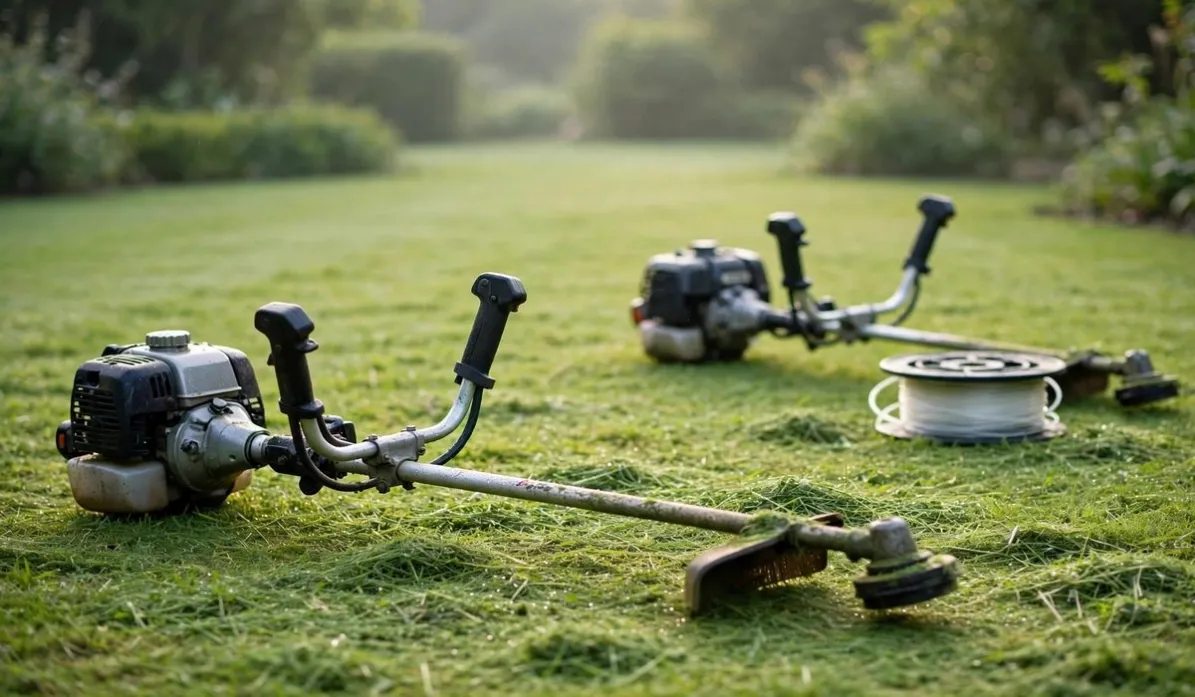
For a distributor or repair shop, the "best" string trimmer is not the one with the flashiest launch video. It is the one your customers keep coming back for — and the one you can keep running with spare parts on the shelf. In 2026, the trimmer and brushcutter market has settled into a clear pattern: a few proven petrol workhorses still dominate commercial work, while battery models keep winning over homeowners and light-duty crews. Knowing which models your customers actually run is what turns a trimmer sale into a steady stream of parts orders.
The 2026 line-up your customers are asking about
Across dealer forums and trade discussion, the same names keep surfacing. The Echo SRM-2620 remains the all-round pick for landscapers who want one machine that handles both trimming and light clearing. Stihl's FS 91 R is the go-to for daily commercial trimming, while the FS 131 R takes the heavier clearing work that would stall a smaller head. Husqvarna's 535LST and 130L round out the list for crews that already run Husqvarna saws and want one brand across the trailer.
That brand loyalty matters more than most suppliers admit. A crew running Stihl chainsaws will usually buy a Stihl trimmer, and a shop that services Echo saws will see Echo trimmers on its bench. For a parts buyer, the practical question is not which brand wins — it is which models your local market services most, and whether you can supply the wear parts for all of them from one source.
The real pain point: downtime in peak season
Here is the problem every repair shop knows by heart. A trimmer that earns its keep in spring and summer cannot sit on a bench for two weeks waiting for a clutch, a trimmer head, or a gear head. When a landscaper's machine is down, they lose the day's jobs — and they remember which shop made them wait.
The parts that fail first are almost always the same: trimmer heads and bump-feed mechanisms, clutch assemblies, drive shafts, gear heads, and starter components. These are consumables by design. A busy crew can wear through a trimmer head in a single season, and a clutch that slips under load will cost more in lost work than the part itself ever did. The shops that keep these fast-moving brushcutter parts in stock are the ones that keep their customers' crews working — and keep those customers coming back for the next repair.
What to check before you order parts in bulk
A trimmer is only as good as its parts supply. Before committing to a bulk order, check three things:
Fitment first. A trimmer head or clutch for the Echo SRM-2620 does not fit a Stihl FS 131 R, and a Husqvarna 535LST gear head is its own part. Always confirm brand, model, and shaft or spline type against the part listing. Good suppliers publish clear fitment lists — if a listing cannot tell you which models it fits, treat that as a warning sign.
Consistency between sample and bulk. The sample you test should be the same part your customers receive in the hundredth box. At Zhongfan, samples and bulk orders share the same standard — the same materials, the same checks, the same packing — so a part that passes your bench test will perform the same way in the field. That consistency is what lets a distributor quote a price and stand behind it for the whole season.
A supplier that actually stocks the range. A distributor serving mixed-brand crews needs one source that covers brushcutter parts across the major brands: trimmer heads, clutches, gear heads, shafts, and starter parts. Splitting the order across five suppliers costs more in freight and admin than the parts themselves. A factory-direct aftermarket chainsaw parts manufacturer with a genuine garden machinery spare parts range keeps your shelf full and your lead times short.
Battery vs petrol: what it means for your parts shelf
Battery trimmers are no longer a niche. For homeowners and municipal crews, a 40V or 56V battery trimmer is quiet, starts instantly, and needs almost no engine maintenance — which means fewer carburettor and fuel-system repairs, but steady demand for trimmer heads, line, and gear heads. Petrol machines still own heavy clearing and all-day commercial work, and they generate the classic repair demand: clutches, starter parts, fuel lines, and filters.
The smart move for a repair shop is to stock wear parts for both. Your petrol customers need clutches and starter components; your battery customers need heads and line. The models change, but the wear parts are the same business either way.
The bottom line
The best trimmer of 2026 is the one your market already runs — Echo SRM-2620, Stihl FS 91 R and FS 131 R, Husqvarna 535LST and 130L. Your job is to keep those machines working. Stock the wear parts that fail first, confirm fitment before you buy, and work with a supplier whose samples match its bulk. That is how a trimmer sale becomes a season of repeat parts orders.
If you run a repair shop or distribute garden machinery spare parts, tell us which trimmer and brushcutter models you service most — we will confirm fitment and availability for your range. You can also browse the full catalog at https://www.zfmparts.com/products.