Buying Guides
Your First Chainsaw: What to Buy and What to Check
How to help a first-time buyer pick the right saw — bar length, gas vs battery, and the three checks before the first cut.
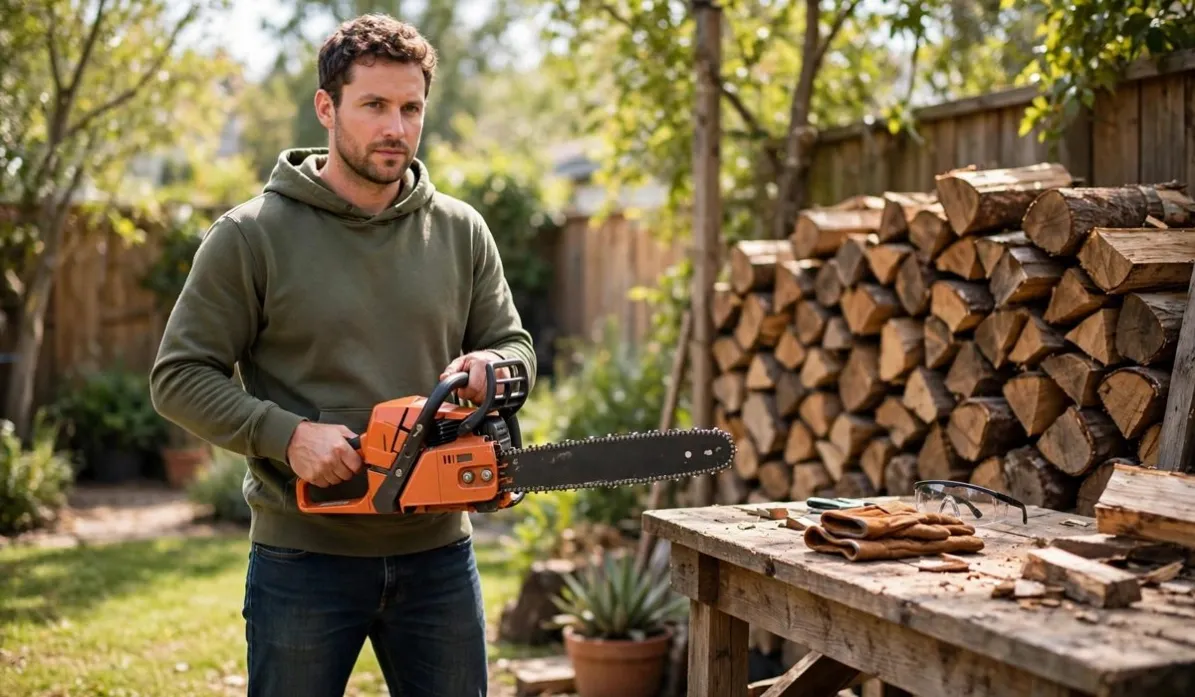
Every first-time chainsaw buyer walks into the shop with the same two questions: which saw should I buy, and how do I know I am not buying the wrong one? For the dealer or distributor on the other side of the counter, that moment is a sale — and, if the buyer picks the wrong saw, a return, a complaint, or a customer who never comes back.
The honest answer is that there is no single "best" first chainsaw. There is a best first chainsaw for the wood the buyer actually cuts. Helping a customer match the saw to the job is what turns a one-off sale into a repeat customer — and into steady demand for the aftermarket chainsaw parts that keep that saw running.
Start with the wood, not the engine
The first mistake new buyers make is shopping by engine size. A bigger engine sounds safer, but the right question is simpler: how thick is the wood they will cut most often?
For firewood and garden clearing up to about 30 cm, a small homeowner saw with a 35–40 cm guide bar is enough — the Husqvarna 120 Mark III and the Stihl MS 170 are the usual entry points. For larger logs, a mid-size farm saw with a 45 cm bar — Stihl MS 271, Husqvarna 450 — covers far more work without jumping to a professional machine.
The bar length should roughly match the diameter of the wood being cut. A bar far longer than the wood is harder to control and more tiring; a bar too short means cutting from both sides, which is how beginners get pinched bars and bent chains. If the buyer is unsure, the smaller bar is the safer recommendation — it is easier to handle, and it can always be swapped later.
Gas or battery? Ask how they will use it
The second question is power source, and the honest answer depends on the buyer's pattern, not on brand loyalty.
A battery saw suits the occasional user: it starts instantly, runs quietly, and needs almost no maintenance. For a buyer who cuts a few branches on a Saturday, a battery saw like the EGO 16-inch is a sensible first purchase. But for anyone cutting firewood in volume or working far from a charger, a petrol saw is still the workhorse — it refuels in a minute and keeps cutting all day.
Dealers should be straight about this. A battery saw sold to a firewood cutter will come back as a complaint about runtime; a petrol saw sold to a casual user will come back as a no-start because the fuel went stale.
The check that matters before the first cut
Once the saw is chosen, walk the buyer through the checks that keep a new saw alive:
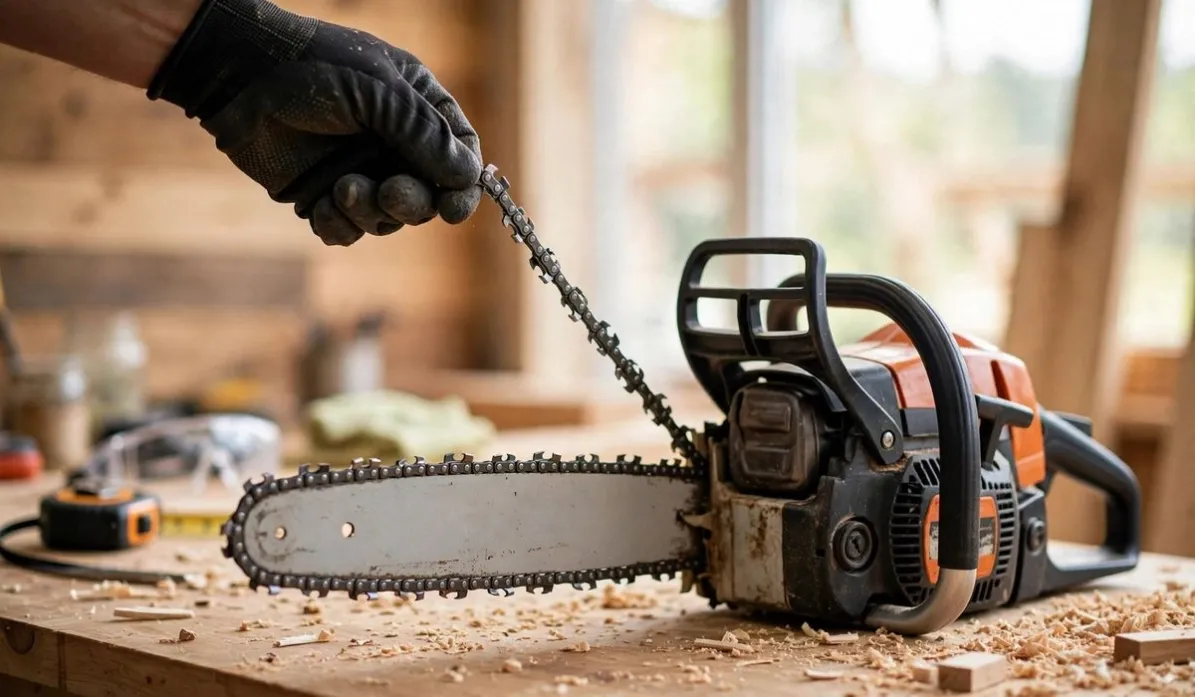
Chain tension. A new chain stretches as it beds in, so it needs checking after the first few cuts and often during the first day. It should pull freely around the bar with no sag underneath — too tight and it wears the bar and bearings, too loose and it can derail. Showing a new owner how to use the chain adjuster is a five-minute lesson that prevents a return visit with a thrown chain.
Bar oil. A new owner often does not know the chain needs oil, or that the oil tank is separate from the fuel tank. Show them the oil filler, and the simple test: hold the bar near a piece of cardboard and run the saw at full throttle for a few seconds — a fine spray of oil should appear. No oil means the chain overheats and the bar wears fast, and the cause is often a blocked oil hole or a failing oil pump. Every chainsaw oil pump we supply is tested at operating speed before it leaves the factory, with stable oil output on every unit — the same standard for samples and bulk orders.
Safety gear. A first saw should never leave the shop without chaps, gloves, eye protection and hearing protection in the conversation — the accessories are part of the purchase, not an afterthought.
Why this matters for your parts business
First-time buyers become the steadiest parts customers a shop can have. A new owner who learns to sharpen a chain will need files and then a new chain; one who learns to check the bar will need a new guide bar and a rim sprocket when the old ones wear; one who floods the saw will need a spark plug and a fuel filter. The saws that sell in the highest volume — Stihl MS 170 and MS 180, Husqvarna 120 and 450 — are also the saws with the largest installed base, which means the largest demand for chainsaw replacement parts.
The takeaway for your customers
A first chainsaw is not about buying the biggest saw in the shop. It is about matching the saw to the wood, choosing petrol or battery for how the saw will really be used, and learning three checks — chain tension, bar oil, and safety gear — before the first cut. Get those right, and the saw lasts; get them wrong, and the saw comes back.
What saws do your first-time customers buy most? Tell us the models you see every week — Stihl, Husqvarna, Echo, or anything else — and we will help you match the right aftermarket chainsaw parts to them. Or browse the full range at https://www.zfmparts.com/products.