Buying Guides
Why Your Chain Isn't Getting Oil — and What It Costs Your Customers
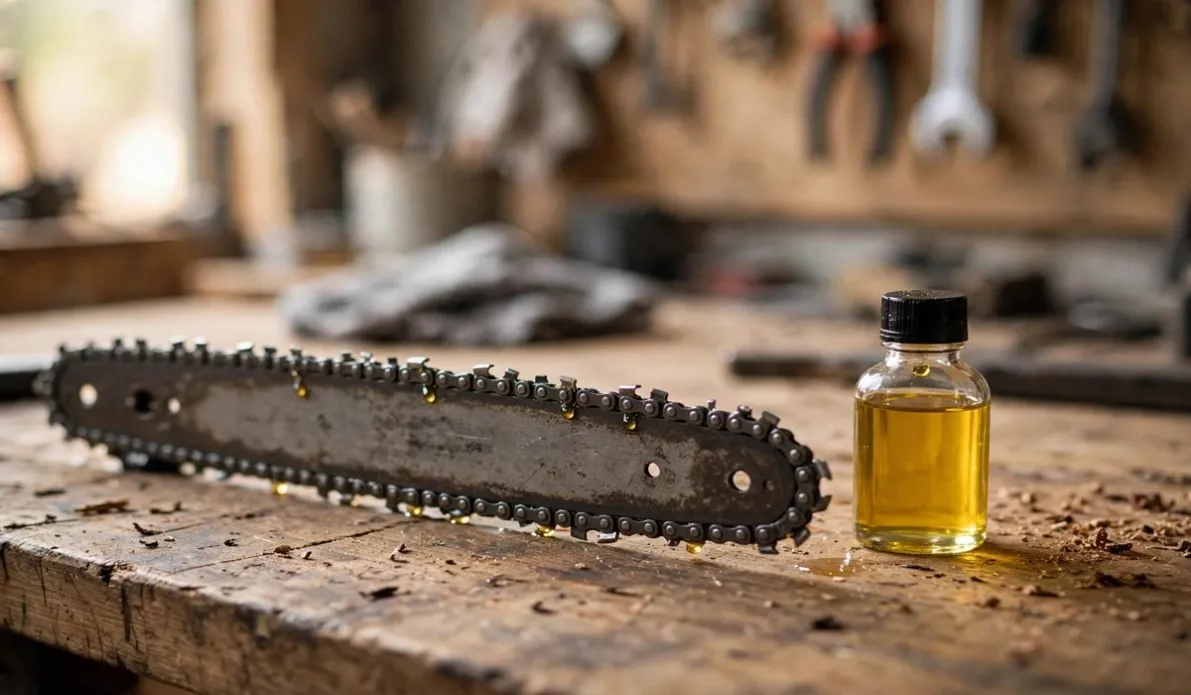
A customer walks into your shop with a chainsaw that cuts like a handsaw. The chain is hot, the bar is blue at the tip, and the cutter teeth are dull after half a tank of fuel. He has already bought a new chain — and it is wearing out just as fast.
For a distributor or repair shop, this is one of the most common complaints in the trade, and one of the most expensive to get wrong. A dry bar and chain burn through bars, chains, and sprockets, and send a frustrated customer looking for another supplier. Knowing the five usual causes — and checking them in order — turns a repeat complaint into a quick fix and a parts sale.
Start with the simplest check: the paper test
Before taking anything apart, run the saw at full throttle for a few seconds with the bar tip pointed at a sheet of clean paper or cardboard. A healthy oiling system throws a fine line of oil mist onto the paper. No mist, or only a faint smear, means the bar is running dry — and the cause is somewhere between the oil tank and the bar tip.
This test takes a minute, and it is worth doing in front of the customer — it shows the problem is real and fixable.
The five places oil stops flowing
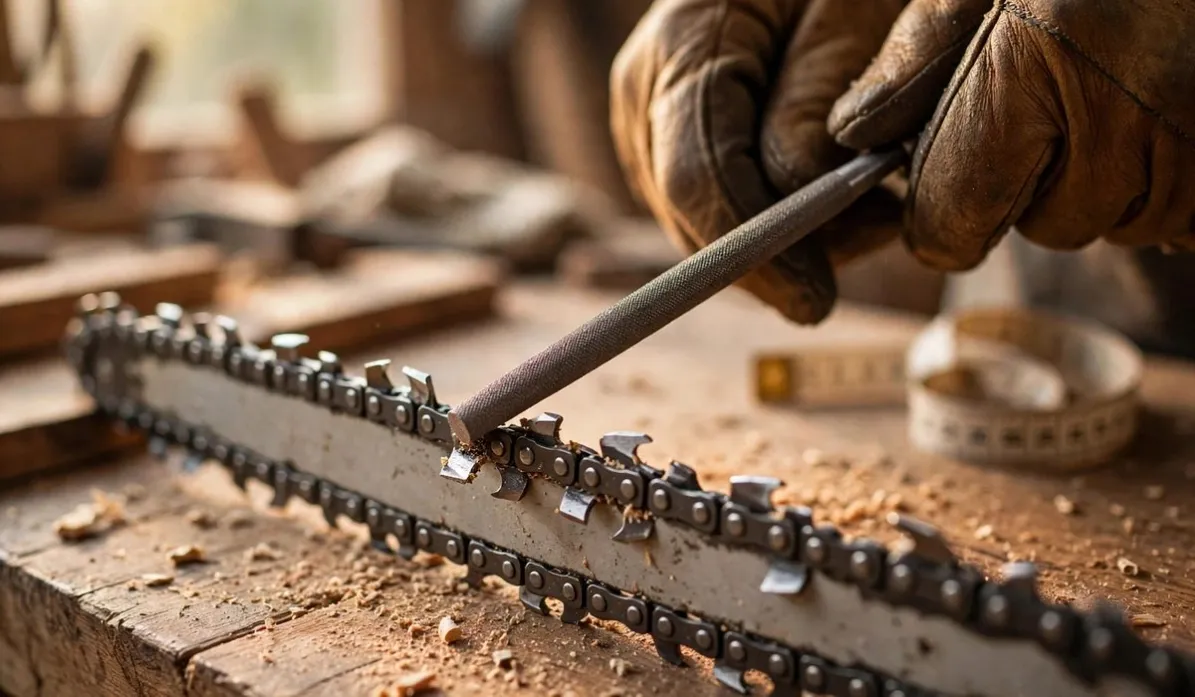
- A blocked oil hole in the bar. Sawdust and resin pack into the small oil inlet hole on the bar and into the bar groove. This is the most common cause, and the cheapest to fix. Clean the groove with a bar groove cleaner or a thin flat tool, clear the oil hole, and flip the bar over — a bar should be turned every one or two chain sharpenings so both rails wear evenly.
- A worn or cracked oil line. The oil hose between the tank and the pump hardens with age and heat, then cracks or collapses. A saw that oils when cold but stops once it warms up often has a line that seals when cool and opens when hot. If the line is stiff or discoloured, replace it rather than trying to clean it.
- A blocked tank vent. The oil tank needs air in to let oil out. A clogged vent cap creates a vacuum that slowly starves the pump. If loosening the oil cap suddenly restores the flow, the vent is the culprit. It is a small part, but it stops the whole system.
- The wrong oil — or no oil at all. Used engine oil is the classic false economy. It is too thin when hot, it carries metal particles that score the pump, and it leaves the bar under-lubricated when the saw is working hardest. Proper bar and chain oil is tacky by design: it stays on the chain at speed instead of flinging off.
- A failed oil pump. If the tank, lines, vent, and bar are all clear and the paper test still shows nothing, the pump itself has failed. Oil pumps are wear parts: the drive gear, the worm, and the pump body wear over hundreds of hours, and output falls away gradually — which is why the customer often notices the damage to the bar before noticing the lack of oil.
Why this matters for your parts business
A dry-running chain does not wear alone. It takes the bar, the sprocket, and the clutch drum with it. When a customer comes in with a scored bar, check the sprocket and the oil pump at the same time — selling the pump that caused the failure, not just the bar it damaged, is what stops the same customer coming back with the same complaint in a month.
That is also why the quality of the replacement pump matters more than its price. A pump that delivers uneven oil output will quietly repeat the original failure. Every oil pump we supply is tested at operating speed before packing, with oil delivery checked on every unit, so the output is stable from the first tank to the last — and the samples you approve are built to the same standard as the bulk order that follows. Your customer gets a pump that oils the way the original did, and you get fewer comebacks.
A five-minute habit worth passing on
The cheapest advice you can give a saw owner is a routine: check the oil level before every tank of fuel, run the paper test when a chain starts cutting slowly, and clean the bar groove every time the chain comes off for sharpening. Most oiling failures never reach your counter if the owner catches them first — and the owners who do reach it will remember the shop that found the real cause instead of just selling another chain.
If you service a lot of saws, it helps to know which models your customers bring in most — the oil pumps, worm gears, and bars differ by model, and stocking the right ones for your top sellers keeps the repair moving. Tell us which models you service most, and we will match the oil pump and bar parts to fit them. Or browse the full range at https://www.zfmparts.com/products and pick the parts your workshop needs.